The Benefits of Residential Care Homes for People Living with a Brain Injury
A brain injury can affect many aspects of daily life, from memory and mobility to mental health, behaviour and communication. Residential care homes are specially equipped to meet these varied needs, offering tailored support that helps people maintain their independence while receiving the care they need. The focus is on creating a sense of home, where dignity, respect, and emotional wellbeing are at the heart of everyday life.
Family members often choose a care home because it provides round-the-clock care in a secure setting. Knowing there is always someone on hand, whether for personal care, medication management, or emotional support, brings peace of mind. Many homes also provide access to therapies such as physiotherapy, speech and language therapy, and occupational therapy, which are particularly valuable for people recovering from an acquired brain injury.
In the UK, care homes are regulated by the Care Quality Commission (CQC), ensuring consistent standards of safety, quality and professionalism. This independent oversight helps reassure families that their loved one is receiving high-quality care in a setting where they are treated with kindness and respect. A good care home will work closely with both the person and their family to develop a personalised care plan, built around their needs, routines and preferences—ensuring care is not only effective, but compassionate and person-centred.
Understanding Acquired Brain Injuries
An acquired brain injury, often referred to as an ABI, can happen suddenly and have lasting effects on a person’s life. It may result from a traumatic incident such as a fall or road traffic accident, or from medical conditions like a stroke, brain tumour or infection. Whatever the cause, the impact of a brain injury can be wide-ranging, affecting not only how a person thinks and feels, but also how they move, communicate and interact with others.
The effects of a brain injury vary significantly from one person to another. Some people may experience memory loss, changes in behaviour physical disabilities or difficulties with concentration. Others may face physical challenges such as reduced mobility or problems with speech. Emotional wellbeing is often affected too, with some people living with anxiety, depression or changes in personality as they adjust to life after injury. Recovery from an acquired brain injury can be a long and complex journey. It often requires regular input from trained professionals, as well as a stable and supportive environment. This is where residential care homes can make a real difference.
Types of Care Facilities
When someone is living with a brain injury, choosing the right care setting is a vital part of the recovery journey. Residential care facilities offer a welcoming and stable environment where people receive the day-to-day support they need, alongside access to therapies and meaningful social interaction. These homes are designed not just for safety and supervision, but to feel like home. One of the key benefits of residential care for people with acquired brain injuries is the structure it provides. Familiar routines, consistent staffing and a homely setting all help to reduce anxiety and support emotional wellbeing. These environments are especially valuable for people who may struggle with changes in mood, memory or behaviour following their injury.
While more intensive rehabilitation may be delivered in inpatient units or nursing homes in the early stages of recovery, residential care homes are often the most appropriate long-term setting once a person is medically stable. They offer the right balance of independence and support, with access to trained staff, therapeutic activities, and round-the-clock care as needed. Other care options, such as live-in care or community-based home care, can be considered in some cases. However, many families find that the sense of community, companionship, and routine offered by a care home makes a significant difference to recovery and long-term wellbeing.
Benefits of Residential Care for Brain Injuries
With highly trained staff on hand around the clock, families can feel reassured that their loved one is receiving the right level of care at all times, from assistance with everyday tasks to more complex medical or therapeutic support. Care provided is always tailored to the person, with individual needs, routines, and preferences at the centre of every care plan. This personalised approach is particularly important for people recovering from or living with an acquired brain injury, as no two experiences are ever the same. Whether someone is adjusting to changes in memory, mobility, or behaviour, the care team is there to offer support.
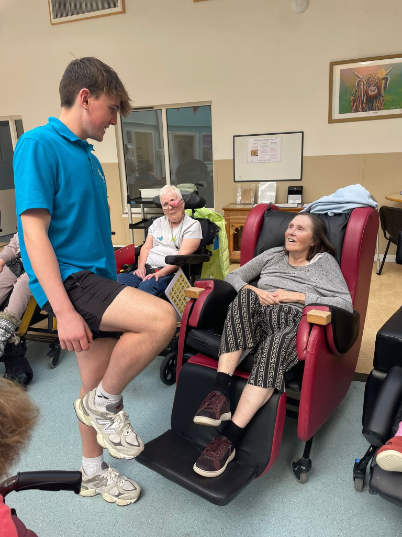
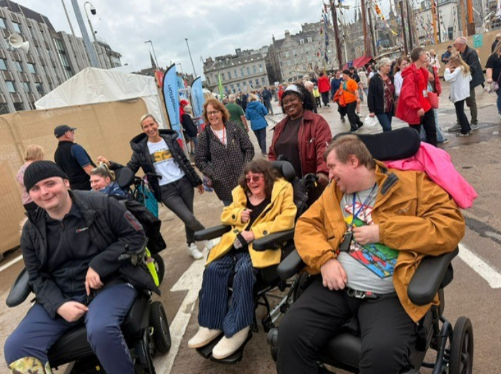
Residential care homes often provide access to therapies such as physiotherapy, occupational therapy and speech and language support. These services are key to rebuilding confidence and helping residents regain or maintain their independence. Progress may be slow at times, but with the right encouragement and structure, every step forward is recognised and valued. Residential homes are designed to promote a sense of community, offering meaningful activities and social opportunities that help people stay engaged and connected. From creative sessions and gardening to music, baking, or reminiscence groups, activities are adapted to suit each person’s interests and abilities. Regular trips out, whether to a local café, park, or even a theatre show, are part of daily life in many care homes, providing variety, stimulation, and enjoyment.
Family involvement is welcomed and encouraged. Care teams understand the importance of keeping families informed and involved, with regular updates and open communication. Many homes invite relatives to join in with events, outings, or care planning meetings, helping to strengthen the bond between residents, staff, and loved ones.
Rehabilitation and Recovery
Recovery from an acquired brain injury is rarely a straight path. It often involves gradual progress, setbacks, and adjustment, not just for the person affected, but for their loved ones too. Residential care homes provide the stability and professional support needed to help each person navigate this journey with care. A major benefit of residential care is access to a wide range of therapeutic services under one roof. Many homes offer in-house or visiting professionals who provide physiotherapy, occupational therapy, and speech and language therapy. These therapies play a vital role in helping residents regain skills, manage symptoms, and improve their ability to carry out everyday tasks safely and independently.
The care provided goes beyond rehabilitation exercises. From mobility assistance and medication management to help with communication or emotional regulation, every aspect of care is designed to promote wellbeing and support a person's recovery goals. Staff work closely with GPs, specialists, and other healthcare professionals to ensure care plans are always up to date and reflective of each resident’s progress. Consistency is key when supporting someone with a brain injury. In a residential setting, people benefit from familiar surroundings, regular routines and a team that understands their needs. This structure helps to reduce confusion and anxiety, making it easier for people to focus on their recovery and feel more in control of daily life.
Rehabilitation also includes social and emotional support. Group activities, one-to-one sessions, and carefully planned day trips all contribute to a person’s sense of purpose and enjoyment. Whether it’s building strength through gentle exercise, re-learning everyday skills, or simply being part of a caring community, each element of residential life is designed to support recovery in a meaningful and manageable way. Importantly, care homes recognise that recovery looks different for everyone. Some residents may work towards greater independence, while others may focus on maintaining current abilities and improving quality of life.
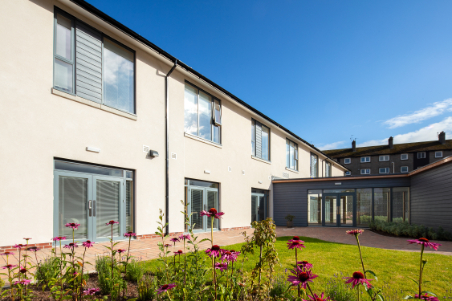

Care and Support at Dee View Court Care Home
Living with a brain injury brings many changes, not just for the person affected, but for their whole support network. Residential care homes provide a vital foundation for recovery and long-term wellbeing, offering consistent care, specialist therapies, and a sense of stability that many people need after such a life-changing event. Care homes offer much more than just medical assistance. They provide a safe, structured environment where each person is supported to live as independently and meaningfully as possible. Whether someone is adjusting to new challenges or rebuilding confidence after hospital care, residential homes bring together the right balance of professional expertise and everyday comfort.
From therapies that support rehabilitation to social activities that build confidence and connection, life in a care home is shaped around the individual. Family involvement is welcomed, and each resident is cared for with dignity, warmth, and respect. For families considering the next step, Dee View Court Care Home in Aberdeen can offer peace of mind and a renewed sense of hope. Please contact our friendly team to book a personal tour of our home.