
Choosing a Brain Injury Care Home
Brain injury care homes provide specialised, long-term residential support for adults recovering from brain injury, blending nursing, therapy, and daily living assistance in a safe, nurturing environment. Unlike general care homes, these homes focus on complex needs arising from traumatic brain injury (TBI), caused by external trauma like road accidents or falls, or acquired brain injury (ABI), resulting from strokes, infections, hypoxia, or tumours. Head injury, often resulting from incidents such as a road traffic accident, is a common cause of traumatic brain injury and can have severe and long-term consequences.
The key difference is that TBI involves physical impact to the brain, while ABI encompasses any non-degenerative injury post-birth. Both can lead to cognitive, physical, emotional, or behavioural challenges. The lasting effects of brain injury can require ongoing specialist care and rehabilitation to address persistent symptoms or disabilities.
People who may need this specialised brain injury care include those with moderate to severe impairments, such as memory loss, mobility issues, impulsivity, or swallowing difficulties, who require 24/7 oversight beyond standard home or community care. Tailored care is essential for these individuals, with a multidisciplinary team of nurses, therapists, and specialists working together to deliver comprehensive support.
Care homes for brain injury provide spacious and accessible living spaces equipped with necessary adaptations to support residents’ independence and comfort. They typically offer 24/7 support from trained professionals to help with daily tasks and medical needs.


Core Services And Support Offered
Brain injury care homes deliver comprehensive care and support tailored to each resident’s needs, ensuring safety, recovery, and well-being through personalised, holistic assistance.
Structured programmes including initial stabilisation, therapy sessions, and progress monitoring for those transitioning from hospital. 24/7 nursing and clinical care is always available, with registered nurses on-site around the clock to manage medications, monitor vital signs, and respond swiftly to changes, offering peace of mind for families. Medication management is a key component of clinical oversight, supporting residents' safety and independence with complex care needs.
Personalised support and community reintegration services focus on rebuilding independence, from daily living skills to social outings, preparing residents for life beyond the home through gradual, supported steps. The right support is provided, tailored to individual care needs, including assistance with daily tasks to promote autonomy and confidence.
A fully managed service ensures reliable, end-to-end care, with close collaboration between the care home and local healthcare providers to deliver high-quality, responsive support for every resident. Many brain injury care homes also feature outdoor spaces such as landscaped gardens, as well as facilities like gymnasiums, therapy pools, assistive technology, and hydrotherapy pools to enhance rehabilitation and quality of life.
Brain Injury Rehabilitation Programs
Brain injury rehabilitation in care homes centres on goal-based neurorehabilitation pathways, customised to each person’s abilities and aspirations, fostering gradual recovery with compassion and expertise. These specialist rehabilitation programs are tailored and comprehensive, designed to address complex needs and support each resident’s journey toward greater independence.
Key therapy types include:
Physiotherapy: Improving strength, balance, coordination, and mobility through targeted exercises.
Cognitive therapy: Enhancing memory, attention, problem-solving, and executive function via structured activities.
Communication therapy: Supporting speech, language, and social interaction skills.
Rehabilitation helps residents relearn, develop, or acquire new skills to improve independence and overall quality of life. Therapists involved in brain injury rehabilitation may include occupational therapists, physiotherapists, and speech and language therapists. Options range from slow-stream rehabilitation, gentle, extended pacing for profound needs, to intensive rehabilitation with higher frequency for faster progress. Outcomes are measured through regular assessments like goal attainment scaling, functional independence measures, and resident feedback, with progress tracked via digital tools and shared with families. This approach helps individuals achieve their highest potential and improve their overall quality of life.
Nursing And Clinical Care In Nursing Homes
In brain injury care homes, registered nurses provide expert-led clinical oversight, ensuring holistic management of even the most complex needs with skill and kindness. Nursing and clinical care are designed to help residents live safely with complex medical needs, supporting independence through personalised support, medication management, and continuous clinical monitoring.
They handle complex clinical needs like epilepsy, autonomic instability, and respiratory challenges, coordinating seamless care while maintaining the highest quality standards in every aspect of support.
Hazelbrook Care Home provides specialist care for residents with complex needs, including neurological support and mental health care.
Specialist interventions include:
- undefined
- undefined
- undefined
This round-the-clock expertise supports stable recovery, allowing focus on rehabilitation while families feel reassured.
Personalised Care And Individual Care Plans
Every journey in a brain injury care home begins with a thorough initial assessment of physical, cognitive, emotional, and social needs, involving the resident, family, and specialists. Tailored care plans are developed to address each individual's unique needs, ensuring support is truly personalised.
From this, we co-create a personalised care plan with input from loved ones, ensuring the right care and best care is delivered through collaboration with family members. Care homes for brain injury often involve family members in the care process, providing regular updates on their loved one's progress. Plans follow a regular review schedule, typically monthly or as needs evolve, ensuring adaptability. Goal-setting happens collaboratively with the person and their support network, celebrating small wins to build confidence and purpose.
Multidisciplinary Team And Staff Roles
A multidisciplinary team (MDT) approach lies at the heart of exceptional brain injury care, uniting diverse healthcare professionals to deliver cohesive, resident-centred support with genuine specialist care. These teams work collaboratively to address the person's holistic needs, ensuring that physical, mental, emotional, and social aspects of wellbeing are considered in every care plan. Regular MDT meetings review progress, adjust plans, and ensure every aspect of wellbeing is addressed holistically.
Brain injury rehab homes usually have a dedicated multi-disciplinary team that includes nurses, physiotherapists, occupational therapists, and psychologists.
Registered nurses: Oversee daily clinical care, medication, health monitoring, and family liaison.
Physiotherapists: Design mobility programmes, reduce spasticity, and promote physical independence.
Occupational therapists: Enhance daily living skills, home adaptations, and vocational goals.
Speech and language therapists: Address swallowing, communication, and cognitive-linguistic needs.
Psychologists and psychiatrists: Provide emotional support, behaviour strategies, and mental health interventions.
Supporting Neurobehavioural And Cognitive Needs
Brain injury care homes employ compassionate, positive behaviour support strategies, such as proactive environmental adjustments and reward-based techniques, to manage challenges like agitation and impulsivity gently. Cognitive rehabilitation approaches use evidence-based methods, like memory aids, computerised training, and real-world simulations, to rebuild thinking skills patiently.
Mood and mental health support plans include counselling, anxiety management, and medication review, fostering emotional resilience and preventing isolation. Promoting self-esteem is a key part of the holistic care process, as it positively influences mood, independence, and overall quality of life. Acquired brain injury can lead to emotional challenges such as depression and anxiety, which require comprehensive support. Care homes support people with acquired brain injury by providing tailored interventions to help them overcome these emotional challenges and maintain their well-being.
Enhancing Quality Of Life For People Living In Care Homes
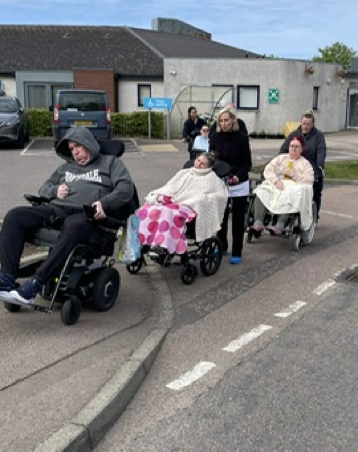
Brain injury care homes prioritise joyful, meaningful living through tailored activities that spark purpose and connection, such as art classes, music therapy, gardening, and peer groups to combat isolation. Residents benefit from independence and daily living skills training, including cooking, budgeting, and self-care workshops that build confidence, with independent living options such as individual flats available to promote autonomy. Support is provided to help residents manage daily life and, where possible, return to their own homes and communities. Family involvement thrives with flexible, open-door visiting policies and resident-led events. Tailored access to community and leisure opportunities, like outings to local events, volunteering, or hobbies, supports smooth community reintegration, creating a home-like haven where everyone can truly thrive and enhancing the overall quality of life for residents. Dee View Court, a specialist neuro-rehabilitation centre in Peterculter, supports individuals with complex needs and offers 44 rooms for specialised neurorehabilitation for those aged 16 and over.
Transitions, Discharge And Community Reintegration
Brain injury care homes thoughtfully plan safe discharge and community transition steps, starting with readiness assessments and phased reductions in support.
Teams coordinate with local services and follow-up therapists, linking to community support services like housing, day centres, and outpatient rehab for continuity. We work closely with local authority partners, NHS services, and other community bodies to ensure the right support is in place and continuity of care is maintained. In Aberdeen, the Momentum Pathways Programme helps individuals with brain injuries return to work or education. The Community Adult Assessment and Rehabilitation Service (CAARS) offers in-home therapy for those with an Aberdeen City GP. NHS Grampian provides community-based rehabilitation services, and Horizons Rehabilitation Centre is a hybrid NHS/social work service offering community-based rehabilitation for adults aged 16–65 in Aberdeen. Loved ones receive preparation for ongoing care responsibilities through training sessions, care handover plans, and emotional support, ensuring confidence in the next chapter.
Choosing A Care Home For Your Loved One
Selecting a brain injury care home requires thoughtful evaluation start with a facility inspection, observing cleanliness, warm staff interactions, and vibrant activities, while reviewing recent inspection reports from the Care Inspectorate. Care homes in Scotland are regulated by the Care Inspectorate, which grades them based on health and social care standards. Reviewing recent Care Inspectorate reports can provide valuable insights into a care home's support for residents' well-being and leadership quality. Ask key questions about personalised care and MDT processes, such as how plans adapt to changing needs, therapy frequency, and family involvement levels.
Always check vital accreditations, including Brain Injury Rehabilitation Trust standards and strong CQC or equivalent ratings. The Cowdray Club and Deeside Care Home have strong reputations based on care quality ratings, and Woodend Hospital serves as the main hub for acute neurological rehabilitation in Aberdeen. Finally, arrange a trial stay or short assessment to confirm the environment feels like the right cultural fit, and ensure you are choosing a care home that delivers the highest quality and overall quality of care, blending evidence with your instincts for peace of mind.
Costs, Funding And Legal Considerations
Main cost drivers for brain injury care homes include staffing intensity, therapy volume, medical equipment, and 24/7 clinical needs fees, which vary by dependency. Costs are tailored to individual needs and care needs, ensuring that each person receives the right care for their unique situation. The overall cost of brain injury care will be determined by the number of visits and frequency of visits to you at home. Understanding acquired brain injury support costs can help you plan and choose the right care for you or your loved one. In Scotland, funding for nursing care is free, but accommodation costs must be paid by the individual.
Explore potential funding sources like local authority assessments or direct payments; charitable trusts; and benefits like Adult Disability Payment. Local authority roles involve needs assessments and care planning. Check eligibility early, understand legal rights under the Social Care (Self-directed Support) (Scotland) Act, and seek advice from advocates to avoid shortfalls.
Brain injury care at Dee View Court Care Home
At Dee View Court in Aberdeen we provide high-quality care and neurorehabilitation for people 16 years old and above with complex needs, helping them to regain or maintain their independence in a safe and supportive environment. Our care blends expert clinical care and a warm, homely setting. Our specialist services include goal-focused neurorehabilitation, assistive technology, and personalised therapy programmes to support each person’s journey towards greater independence.