
Motor Neurone Disease: What Families Need to Know
A diagnosis of Motor Neurone Disease (MND) can be overwhelming, both for the person diagnosed and for those closest to them. Questions about symptoms, treatment and future care often come all at once. While MND is a progressive neurological condition, the right support can make a meaningful difference to comfort, independence and quality of life.
This guide explains what motor neurone disease is, the early signs of MND, how the condition progresses, and when specialist neurological care may become beneficial.
What is Motor Neurone Disease?
Motor neurone disease is a group of neurological conditions that affect the motor neurones, the nerve cells responsible for carrying messages from the brain and spinal cord to the muscles. As these nerve cells become damaged, the muscles gradually weaken because they no longer receive the signals needed to move.
Everyday tasks such as walking, writing, speaking or swallowing, can become increasingly difficult over time. Although MND affects movement, it does not usually affect the senses, meaning most people continue to see, hear, smell and feel as normal.
You may also hear the term Amyotrophic Lateral Sclerosis (ALS). A common question is, is MND the same as ALS? In the UK, MND is the umbrella term for several related conditions, with ALS being the most common type.



What Causes Motor Neurone Disease?
In most cases, there is no clear answer. Around 90 to 95 per cent of people diagnosed have what is known as sporadic MND, meaning there is no known family history or identifiable cause. The remaining cases are familial, where an inherited genetic mutation increases the likelihood of developing the condition.
Researchers continue to investigate why motor neurones become damaged, and while genetics can play a role for some families, there is currently no single known cause of MND. If there is a strong family history, genetic counselling may be recommended to help relatives understand any potential inherited risk.
What Are the Early Signs of Motor Neurone Disease?
The early signs of motor neurone disease often develop gradually. Because symptoms can be subtle at first, they are sometimes mistaken for ageing, stress or another health condition.
Early symptoms of motor neurone disease usually develop gradually and can vary from person to person. They may include weakness in one hand, arm or leg, difficulty gripping everyday objects, muscle twitching (fasciculations), muscle cramps, changes in speech or swallowing, unexplained muscle wasting, or frequent trips and falls caused by weakness in the feet or legs.
Not everyone experiences the same symptoms. Some people first notice weakness affecting their arms or legs, while others develop changes in speech or swallowing before any limb weakness appears.
This is known as bulbar onset MND, where the muscles controlling speech, chewing and swallowing are affected first. Speech and language therapists play an important role in helping people communicate and eat safely. When swallowing becomes more difficult, working alongside an experienced neurological team means care plans, nutrition and communication support can all be adapted quickly. This is one of the ways our Neuro Rehabilitation service helps people maintain independence and quality of life.
How Is Motor Neurone Disease Diagnosed?
There is no single test that can confirm motor neurone disease. Instead, diagnosis involves assessing symptoms, ruling out other conditions and carrying out a series of specialist investigations.
Most people first visit their GP after noticing persistent muscle weakness, changes in speech, muscle twitching or problems with coordination. If MND is suspected, they will usually be referred to a neurologist for further assessment.
A neurologist may recommend a combination of tests, including MRI scans, blood tests, nerve conduction studies and electromyography (EMG), which measures the electrical activity of muscles. These tests help exclude other neurological conditions that can cause similar symptoms.
Because MND symptoms often develop gradually, reaching a diagnosis can take time. Early referral to a specialist is important, as it allows people to access treatment, rehabilitation and supportive care as soon as possible.
How Does Motor Neurone Disease Progress?
Motor neurone disease progresses differently for every individual. Some forms develop more quickly than others, and symptoms can vary considerably from person to person.
There are several types of MND, including:
- Amyotrophic Lateral Sclerosis (ALS), the most common form, affecting both upper and lower motor neurones.
- Progressive Bulbar Palsy, which primarily affects speech, swallowing and facial muscles.
- Primary Lateral Sclerosis, a rarer form that generally progresses more slowly and mainly affects muscle stiffness.
- Progressive Muscular Atrophy, which primarily affects the lower motor neurones and muscle strength.
As MND progresses, people may experience increasing difficulties with mobility, communication, eating and breathing. While these changes can feel daunting, many symptoms can be managed with specialist support, equipment and therapy, helping people remain active and independent.


How Is Motor Neurone Disease Treated?
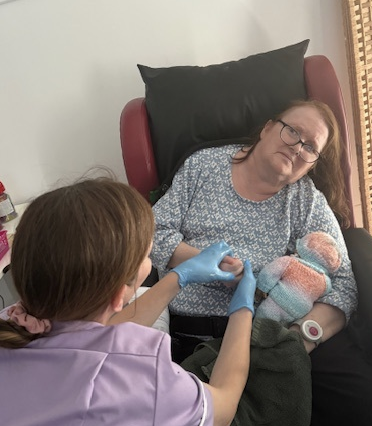
Treatment for MND is highly individual, with support tailored to each person's symptoms and goals. Most people receive care from a multidisciplinary team that may include neurologists, specialist nurses, physiotherapists, occupational therapists, speech and language therapists, dietitians and respiratory specialists. Together, these professionals help people maintain mobility, adapt everyday activities, manage swallowing difficulties and support breathing where needed.
At specialist neurological care centres such as Dee View Court, these professionals work together to provide joined-up care. Access to neurological rehabilitation, specialist nursing and facilities such as hydrotherapy can help residents maintain comfort, confidence and independence wherever possible.
Can You Live Independently with MND?
Many people continue living independently following an MND diagnosis, particularly during the earlier stages of the condition.
Simple home adaptations, mobility equipment and community support can help people continue doing the things that matter most. As needs change, additional care at home or specialist residential care may become appropriate.
Planning ahead can make future decisions less stressful. Exploring support options early does not mean someone is giving up their independence. Instead, it allows individuals and families to make informed choices while maintaining as much control as possible.
When Should Specialist Neurological Care Be Considered?
Specialist care is not only for the later stages of MND. In fact, many people benefit from expert neurological support much earlier in their journey.
Moving into specialist care isn't about losing independence. In many cases, it allows people to regain confidence because they're supported by professionals who understand progressive neurological conditions.
It may be time to consider specialist care if someone begins experiencing:
- Frequent falls or reduced mobility
- Increasing swallowing problems
- Changes in communication
- More complex nursing needs
- Growing pressure on family carers
Receiving specialist support early allows care plans to adapt as needs change, rather than responding only when difficulties become more advanced.If you're beginning to explore your options, learning more about our referral process can help you understand what happens next and what support is available.

How Dee View Court Supports People Living with MND
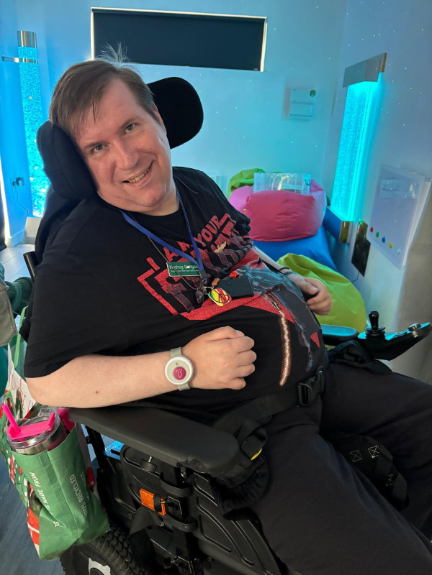
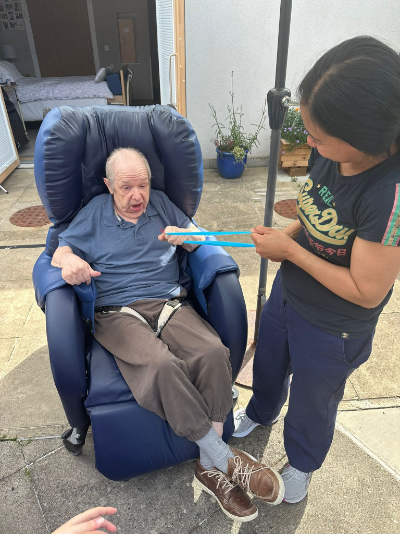
At Dee View Court Care Home, we understand that no two people experience MND in the same way. Every resident receives a personalised care plan that reflects their individual needs, goals and preferences.
Our experienced multidisciplinary team works together to support people living with complex neurological conditions, including MND. From specialist nursing and neurological rehabilitation to physiotherapy, occupational therapy and hydrotherapy, our focus is on helping residents remain as independent, comfortable and active as possible.
We also recognise that an MND diagnosis affects the whole family. Alongside clinical care, we work closely with loved ones, providing reassurance, practical guidance and compassionate support throughout every stage of the journey.
Frequently Asked Questions
Is Motor neurone disease terminal?
Motor neurone disease is a life-limiting condition. However, progression varies greatly between individuals, and specialist care can make a significant difference to comfort, wellbeing and quality of life.
Is amyotrophic lateral sclerosis motor neurone disease?
Yes. ALS is the most common type of motor neurone disease. In the UK, ALS is considered a form of MND, while in some countries the terms are used interchangeably.
What are the first signs of motor neurone disease?
Early symptoms commonly include muscle weakness, muscle twitching, difficulty gripping objects, changes in speech, swallowing difficulties and frequent trips or falls. Symptoms usually develop gradually and should be assessed by a GP if they continue to worsen.
Considering Specialist Neurological Care
Every family's journey with Motor Neurone Disease is different, and there's no single right time to begin exploring specialist care. If you'd like to understand what support could look like now or in the future, get in touch with our team for an informal conversation or arrange a visit to Dee View Court. We're happy to answer your questions and help you make the decision that's right for your family.