
Parkinson’s Medication Wearing Off: Signs, Causes and What to Do
Parkinson’s medication can help control symptoms and make everyday movement easier. Over time, however, some people find that a dose does not last as long as it once did.
Stiffness, tremor or slower movement may return before the next dose is due. This is known as “wearing off” and is a type of motor fluctuation associated with Parkinson’s.
Understanding the signs can help someone with Parkinson’s, and those supporting them, recognise changes and know when to seek advice.
What Does “Wearing Off” Mean in Parkinson’s?
Wearing off occurs when the benefit of Parkinson’s medication, particularly medication containing levodopa, starts to reduce before the next dose is due.
Someone may feel that their medication is working well for several hours, followed by a gradual return of symptoms. The next dose may then improve those symptoms again. Parkinson’s UK explains that wearing off can occur when medication no longer lasts as long as it previously did.
Wearing off can initially follow a predictable pattern. For some people, however, these fluctuations become less consistent as Parkinson’s progresses.



What Are the Signs of Parkinson’s Medication Wearing Off?
The signs can differ between individuals. Movement symptoms are often the most noticeable, although wearing off can also affect non-movement symptoms.
Common signs include:
-Increased stiffness or slower movement
-Tremor returning or becoming more noticeable
-Shuffling or difficulty walking
-Freezing when trying to move
-Muscle cramps or painful contractions
-Increased tiredness or sleepiness
-Anxiety, low mood or irritability
-Pain or general discomfort
The timing of symptoms can be particularly important. If they repeatedly appear before the next medication dose and improve afterwards, this may indicate wearing off.
A person does not need to experience every symptom. Changes can also affect everyday tasks, particularly if movement becomes more difficult during an “off” period.
Why Does Parkinson’s Medication Wear Off?
Levodopa is converted into dopamine in the brain. Dopamine helps control movement, and replacing its effects can improve many Parkinson’s symptoms.
As Parkinson’s progresses, the number of dopamine-producing nerve cells decreases. This reduces the brain’s ability to store and regulate dopamine between doses, so the effect of medication can become shorter or less predictable. The NHS information on Parkinson’s disease treatment explains how levodopa is used to manage movement symptoms and how treatment may need to change as Parkinson’s progresses.
Other factors can also affect symptoms or medication response. Illness, stress, sleep problems and changes in digestion may influence how someone feels throughout the day. The timing of food can also matter for some medicines. Concerns about medication, meals or changing symptom control should therefore be discussed with a healthcare professional rather than addressed by changing medication independently.
What Are “On” and “Off” Periods in Parkinson’s?
“On” and “off” describe how well Parkinson’s medication is controlling symptoms.
An “on” period is when symptoms are relatively well controlled. An “off” period is when symptoms return or become more difficult to manage because the medication's effect has reduced. Parkinson’s UK provides further information about movement changes and “on/off” periods. For example, someone might take their medication at 8 am and move comfortably for several hours. By late morning, stiffness and slowness may begin to return. If movement improves after the next dose takes effect, this may be part of a wearing-off pattern. Off periods are not always predictable. They can sometimes occur suddenly rather than simply developing before the next scheduled dose.
It is also important to distinguish an off period from freezing. Freezing affects a particular movement, such as walking, rather than representing a general loss of medication control.
What Is the Difference Between Wearing Off and Dyskinesia?
Wearing off and dyskinesia are different medication-related movement changes. With wearing off, the effect of medication is reduced, and Parkinson’s symptoms such as stiffness, tremor or slowness may return.
Dyskinesia refers to involuntary movements that a person cannot control. These can include twisting, jerking or other unusual movements. Both can occur in someone taking levodopa, sometimes at different points in the medication cycle. Recognising the difference matters because the approaches to managing them can differ.
The NICE guidance on Parkinson’s disease in adults recommends specialist advice when people develop motor fluctuations such as wearing off or dyskinesia before treatment is modified.
What Should You Do If Parkinson’s Medication Stops Lasting?
If medication appears to be wearing off earlier than expected, the person's Parkinson’s specialist, neurologist or Parkinson’s nurse should be involved.
A simple symptom diary can help identify patterns. Rather than recording only that medication is “not working”, note when each dose is taken, when symptoms improve, when they return and how long the changes last. For example, someone might record that they take their medication at 8 am, move well during the morning and then develop increasing stiffness at 11 am. Repeated patterns like this can give the clinical team a clearer picture of how medication is working.
Medication should not be stopped, increased, reduced or rescheduled without professional advice.


How Can Parkinson’s Medication Wearing Off Be Managed?
There is no single approach that works for everyone.
A healthcare professional may review the timing or dose of medication, consider modified-release preparations or introduce another medicine alongside levodopa. The appropriate option depends on the person's symptoms, existing treatment and overall health.
The aim is to improve symptom control while limiting unwanted effects. This can require ongoing review as Parkinson’s and the person's response to treatment change.
It is also important to distinguish medical treatment from day-to-day care. Medication adjustments must be made by the appropriate clinical team. Care and rehabilitation can then provide practical support with mobility, daily activities and maintaining function.
FAQs
How do I know if my Parkinson’s medication is wearing off?
A common sign is that Parkinson’s symptoms return before the next dose is due and improve when the medication takes effect. Keeping a record of symptoms and medication times can help identify this pattern.
How long does Parkinson’s medication last?
There is no fixed duration that applies to everyone. How long medication works depends on the medicine, the individual and how Parkinson’s has progressed. If a dose consistently stops lasting as long as expected, speak to the person's healthcare team.
Is wearing off a sign that Parkinson’s is getting worse?
Wearing off can become more common as Parkinson’s progresses, but it does not necessarily mean that the condition has suddenly worsened. A change in medication response should be reviewed by the person's specialist team.
Can Parkinson’s medication wearing off be treated?
Yes. A specialist may review medication timing, dosage or other treatment options. Treatment should only be changed under appropriate professional guidance.
Can wearing off affect symptoms other than movement?
Yes. Wearing off can be associated with non-movement symptoms such as anxiety, sleepiness, low mood and pain. These changes are worth mentioning when discussing medication with a healthcare professional.

Understanding the Next Steps
If Parkinson’s medication is no longer lasting as long as it once did, noticing the pattern is an important first step. Keeping a record of symptoms and medication times can help the person’s healthcare team understand what is happening and decide whether treatment needs reviewing.
For people whose neurological needs are becoming more complex, specialist support may also become an important consideration.
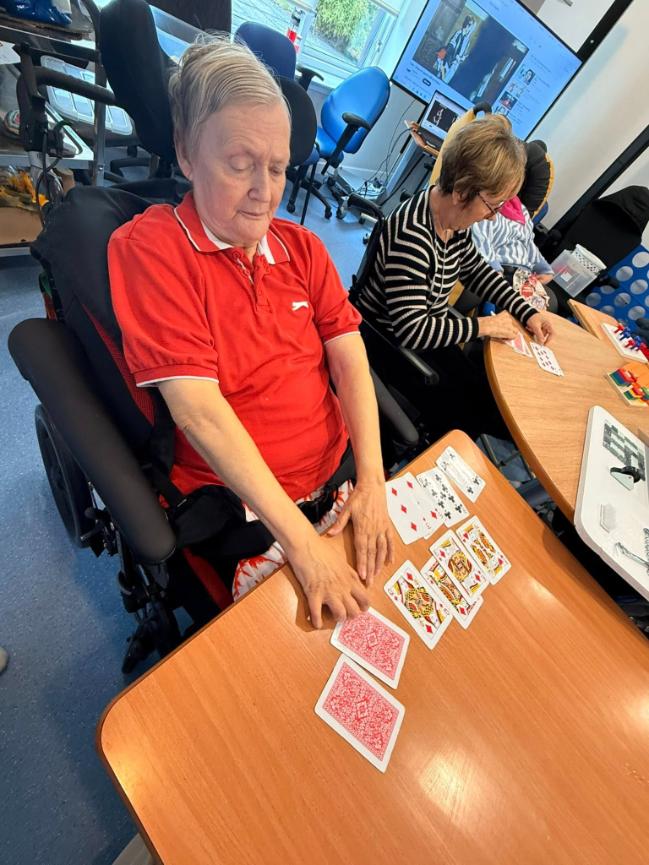
At Dee View Court Neuro Care Centre in Aberdeen, specialist neurological care includes 24-hour nursing support, rehabilitation and access to physiotherapy and occupational therapy. If you would like to understand more about the support available, contact Dee View Court Neuro Care Centre to discuss your needs.